Power companies used to have it easy. Generate electricity, send it down the lines, collect the bills. But something wild started happening about five years ago. The whole energy game flipped on its head. Now toasters might be chatting with the power company while people sleep. Sounds crazy? It’s actually becoming pretty normal across America.
The Old Way Versus the New Way
Remember waiting for that monthly power bill? People would open it up and sometimes get a nasty surprise. Maybe the AC ran too much last July. Who knew? The power company sure didn’t tell anyone until payment time rolled around. These days feel different. Homeowners track every kilowatt through phone apps.
Smart systems catch old appliances wasting electricity before the waste shows up on bills. Power companies now spot trouble before anyone loses electricity. Repair crews replace failing equipment days before it would cause outages. Neighborhoods stay powered through storms that once meant certain blackouts.
How Smart Technology Changes Everything
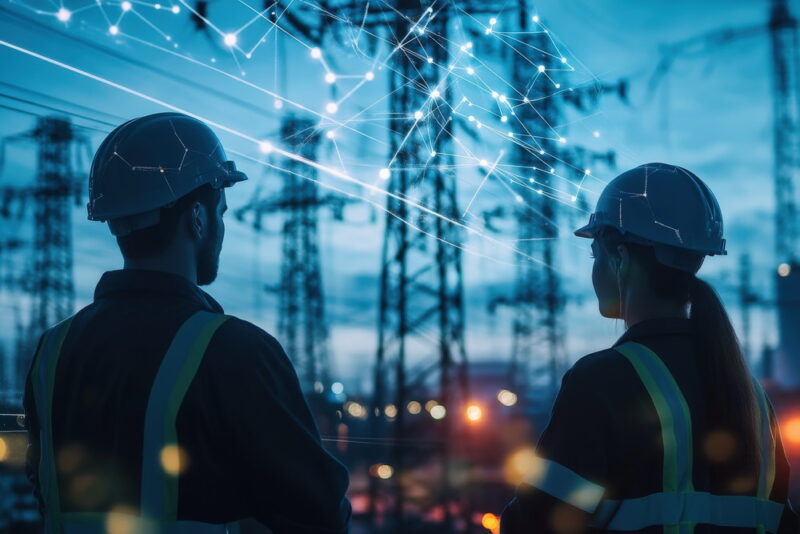
Here’s where things get interesting. Power lines, substations, and transformer boxes are now equipped with minuscule sensors. It’s like having a million tiny inspectors working non-stop. Except these inspectors never take coffee breaks. These IoT solutions for utilities have opened doors for companies like Blues IoT, who help power providers install wireless sensors that beam information back instantly.
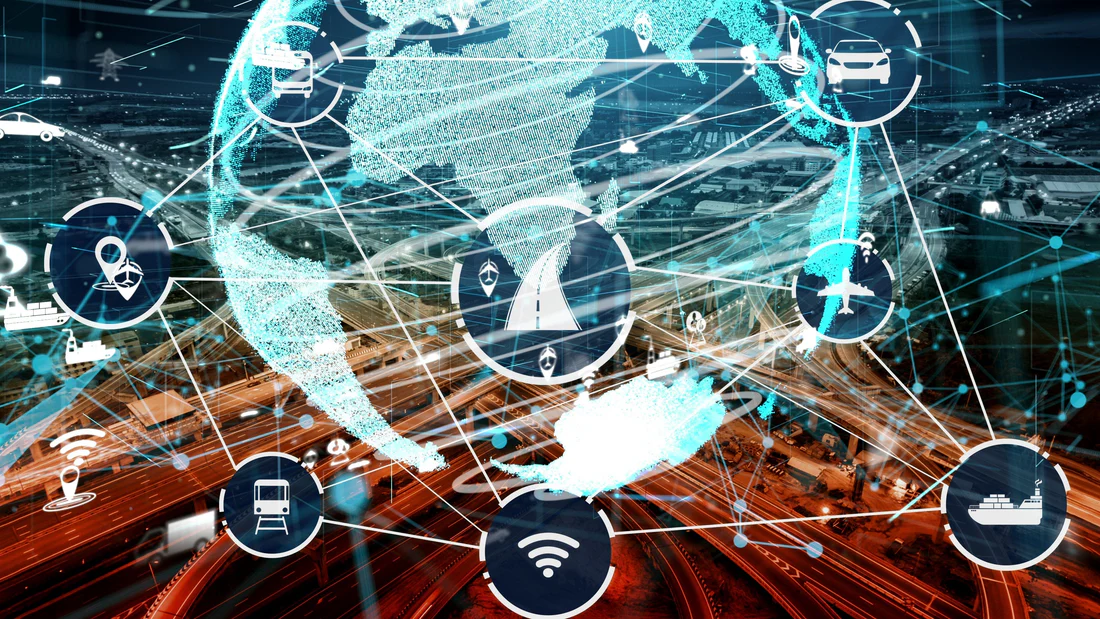
When something looks off, repair crews know exactly where to go. No more driving around searching for problems. The old days of vague restoration estimates are fading fast. Now power companies give precise timeframes and actually meet them.
Benefits That Go Beyond Lower Bills
While money has influence, dependability also offers quiet reassurance. Cities that used to experience frequent summer power outages can now withstand heat waves without electricity interruptions. The grid adjusts itself like a jazz musician improvising through a tough solo.
Green energy plays nicer with smart grids, too. Solar panels and wind farms produce power whenever nature feels like it. Smart systems juggle this unpredictability without breaking a sweat. On sunny days, extra solar power flows to areas under cloud cover. When the wind picks up at night, that energy heads to facilities running overnight operations.
When people see actual figures, they change their habits. It’s like weighing yourself daily as opposed to just annually. Different choices get made. Buildings turn down heat in empty rooms. After midnight, the illumination in parking lots is reduced. Countless small changes combine to create something significant.
What This Means for Regular People
Nobody needs an engineering degree to benefit. Most of this stuff works quietly in the background. Lights stay on. Bills make more sense. That smartphone in everyone’s pocket becomes a control center for home energy use.
Privacy worries pop up, naturally. But power companies learned from social media’s mistakes. They protect data better and keep things simple. Smart thermostats learn household schedules within days. They adjust temperatures automatically based on when people come and go.
A Home That Reacts Before You Do
The biggest change for households will be how little effort energy management starts to require. A smart home energy system can notice when electricity prices rise during peak hours and adjust certain devices automatically. The water heater may run earlier in the day. The dishwasher may wait until late evening. The thermostat may ease back slightly during a short demand spike, then return to normal before anyone feels a real difference.
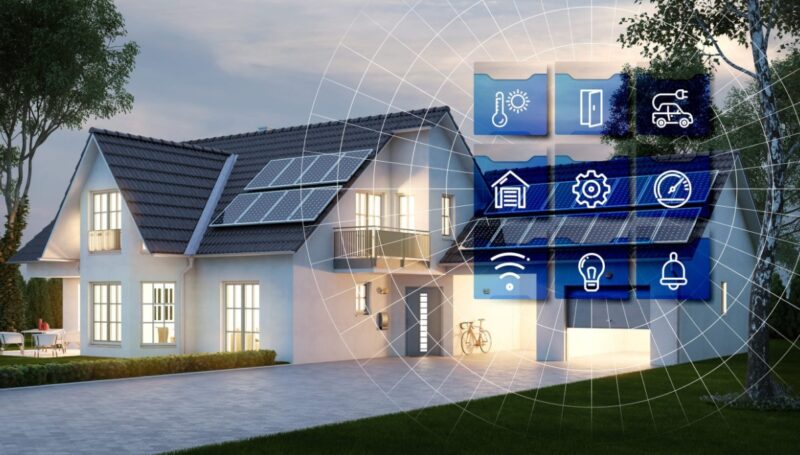
That kind of control used to belong only to large factories, office towers, and industrial sites. Now it is moving into ordinary homes. The point is not to make people obsess over every outlet. The point is to remove waste without asking homeowners to become full-time energy managers.
Appliances Will Become Part of the Grid
Smart appliances are starting to behave less like isolated machines and more like small pieces of a larger energy network. A refrigerator can reduce its energy draw for a few minutes without spoiling food. A washer can delay a cycle until power demand drops. A charger can fill an electric vehicle overnight when the grid has more available capacity.
That sounds minor at the single-home level, but the effect grows fast when thousands of homes respond at once. Instead of firing up expensive backup power plants during peak demand, utilities can reduce pressure across the system by coordinating small adjustments in many places. Homeowners still get clean clothes, cold food, charged vehicles, and comfortable rooms. The grid gets breathing room.
Renters Will Feel the Shift Too
Homeowners are not the only ones affected. Apartment buildings, student housing, senior communities, and rental properties are also becoming part of smarter energy networks. Property managers can monitor shared systems such as hallway lighting, elevators, heating, cooling, and laundry rooms. When a motor starts drawing more power than usual, maintenance teams can fix the issue before it becomes an expensive failure.
For renters, the benefit is usually quieter. Fewer outages, more stable indoor temperatures, better building maintenance, and clearer utility costs all matter. Smart meters can also make billing fairer in buildings where energy use was once estimated or divided in ways that never felt completely accurate.
The New Energy Habit
The most lasting change may be psychological. People behave differently when energy becomes visible. A vague monthly bill does not teach much. A clear app showing when power use jumps can change daily routines quickly.
Someone may notice that an old freezer in the garage costs more to run than expected. A family may shift laundry to cheaper hours. A small business may learn that lights, heating, and idle equipment are draining money after closing time. None of those decisions feel dramatic on their own. Added together, they create a smarter relationship with electricity.
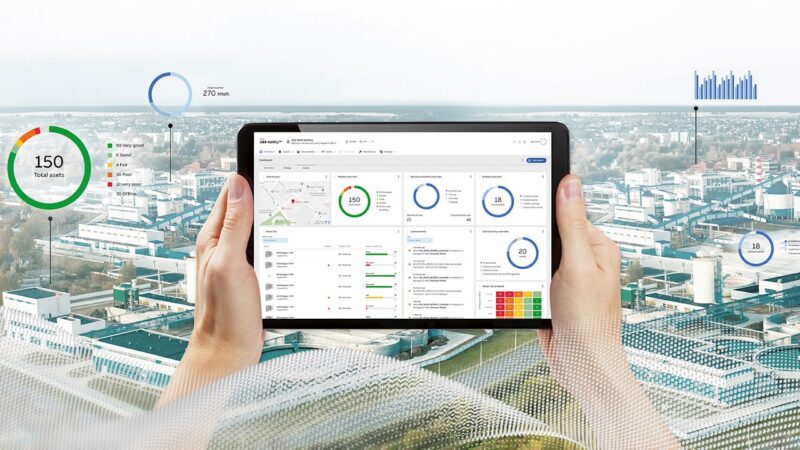
Energy management is moving from guesswork to feedback. Regular people will not need to understand every sensor, algorithm, or grid signal behind it. They will simply live in homes and buildings that waste less, respond faster, and make power use easier to understand.
Conclusion
Brace yourself, as the most significant part of this experience is yet to unfold. Picture electric cars feeding power back to houses during peak hours. Neighborhoods sharing solar power like cups of sugar between neighbors.
Batteries that save solar energy from sunny periods for later use when it’s cloudy. What’s being prepared now will change how people in the US view energy. The shift moves people from passive consumers to active participants.
Communities jumping on board today won’t just save money. They’ll build something better for the next generation. This shift isn’t some distant dream. Walk outside, look at those power lines, and know that behind them, a smarter system is already humming along.