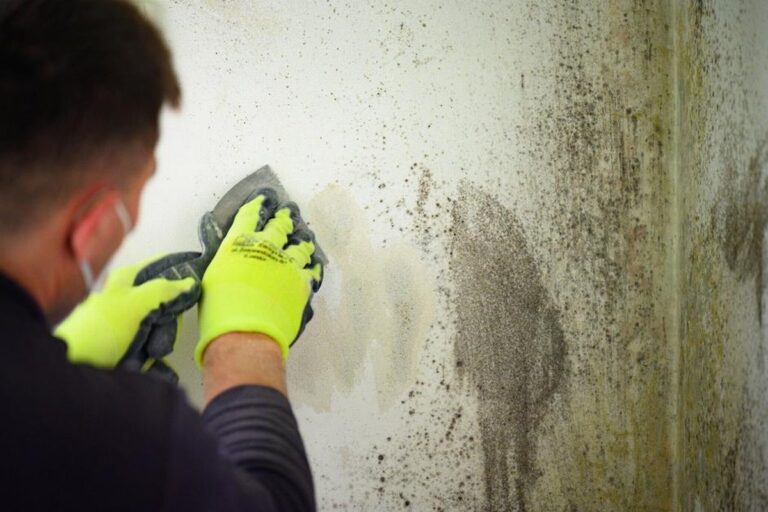
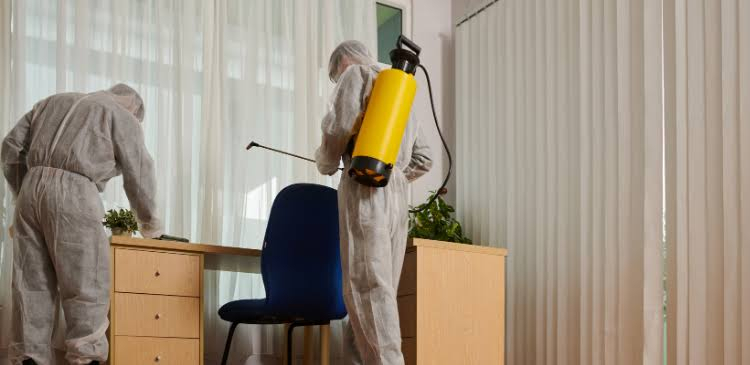
Pest control plays an important role in keeping workplaces safe, clean, and compliant.
With the right preventive pest control approach, businesses can reduce health risks, support inspections, protect employees, and keep daily operations running with fewer disruptions.
Understanding Preventive Pest Control
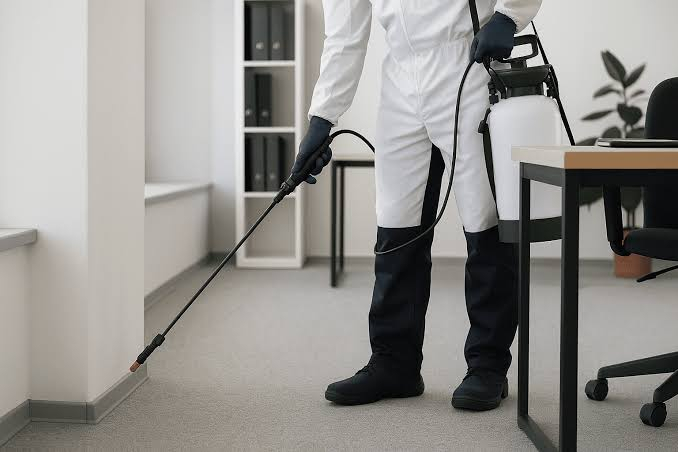
Preventive pest control in a workplace means managing the conditions that attract pests before an infestation develops. Instead of waiting until employees see rodents, cockroaches, ants, flies, stored-product pests, or other activity, a preventive approach focuses on entry points, sanitation, moisture, waste handling, storage practices, monitoring, and routine inspections.
In practical terms, workplace pest prevention is about making the building less inviting and less accessible to pests. That may include sealing gaps around doors and utility penetrations, correcting drainage or moisture problems, keeping breakrooms and food areas clean, managing trash properly, inspecting deliveries, monitoring high-risk zones, and keeping detailed service records.
The goal is not just to “treat pests.” The goal is to reduce the chances that pests can enter, survive, reproduce, or go unnoticed.
In a commercial setting, prevention is less about “spraying for bugs” and more about controlling the environment. A good plan looks at the building the way pests do: open door gaps, warm wall voids, cluttered storage rooms, overflowing dumpsters, standing water, food residue, roof access points, loading docks, drains, employee break areas, and incoming shipments.
A strong preventive pest control program is usually built around Integrated Pest Management, or IPM. IPM uses inspection, identification, prevention, monitoring, and targeted treatment only when needed. This makes pest control more strategic, more sustainable, and more aligned with workplace safety and compliance expectations than a purely reactive spray-and-leave approach.
The most effective programs also use pest activity as a form of building feedback. Rodent activity near a loading dock may point to a door-seal issue. Fruit flies may indicate drain buildup or hidden organic residue. Cockroach sightings may reveal moisture, sanitation, or structural problems. In that sense, preventive pest control helps businesses find facility weaknesses before they become bigger safety, sanitation, or compliance problems.
Why Pest Control In The Workplace Matters
Pest control matters because pests can turn an ordinary workplace issue into a health, safety, sanitation, and liability concern.
Rodents, cockroaches, flies, birds, and other pests can contaminate surfaces, food areas, packaging, stored products, desks, equipment, and employee belongings. They may leave droppings, urine, shed skins, nesting materials, allergens, bacteria, unpleasant odors, or other contaminants behind.
Pest control in the workplace matters because employee safety depends on more than visible cleanliness. It also depends on controlling the hidden conditions that allow pests to enter, feed, nest, and spread.
For employees, this can mean exposure to allergens, asthma triggers, bites, contaminated breakrooms, and unsafe working conditions. Rodent activity can also create physical hazards if gnawing damages wiring, insulation, equipment, or stored materials.
In warehouses and production facilities, pest activity can create additional risks around inventory, forklifts, loading docks, pallets, drains, and waste areas.
The issue is not only whether a pest is dangerous in the most extreme sense. It is also what pest activity signals. A rodent sighting may suggest open access points, poor waste control, or hidden contamination. Cockroaches may point to moisture and sanitation gaps.
Flies may indicate organic buildup in drains, trash areas, or food spaces. These conditions can affect employees long before a major infestation is discovered.
Pest control is also an employee confidence issue. Workers are more likely to feel safe and respected in a clean, well-maintained facility. When employees repeatedly report pests and nothing changes, it can damage morale, increase complaints, and create the perception that management is ignoring workplace safety.
There is also a trust component that many businesses overlook. Employees notice when pest complaints are ignored, minimized, or treated as embarrassing instead of actionable. A prompt, documented pest control response shows that management takes workplace conditions seriously. That can reduce complaints, improve confidence, and support a stronger safety culture.
Key Workplace Pest Control Risks
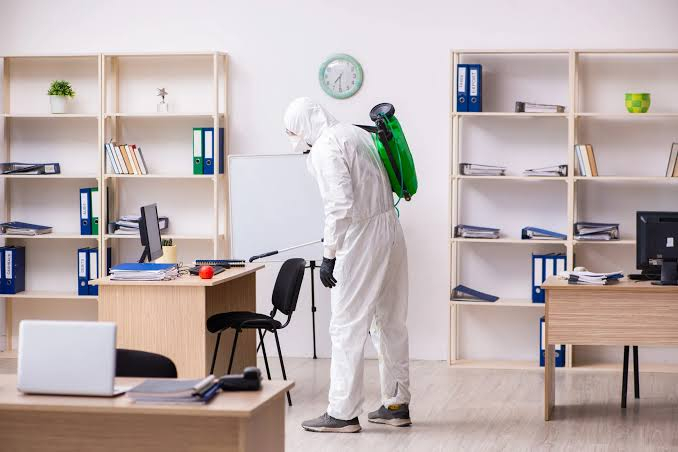
The highest-risk pests vary by building type, but the most common workplace concerns include rodents, cockroaches, flies, ants, birds, occasional invaders, stored-product pests, and stinging insects.
The pests that create the biggest workplace risks are the ones that contaminate, reproduce quickly, damage property, disrupt operations, or indicate deeper building problems. This is why workplace pest control should be planned around the specific risks of the facility, not treated as a generic maintenance task.
Rodents are often the biggest concern because mice and rats can enter through small openings, contaminate surfaces, damage materials, gnaw wiring, nest in hidden spaces, and spread quickly if food, warmth, and shelter are available.
Commercial buildings with loading docks, dumpsters, landscaping, utility penetrations, drop ceilings, storage rooms, shared walls, and utility pathways can be especially vulnerable.
In commercial buildings, one rodent sighting often means the business needs to look beyond the trap and ask how the rodent entered, where it is finding food, and what part of the building envelope failed.
Cockroaches are a major risk in offices, kitchens, breakrooms, healthcare settings, food facilities, multifamily-adjacent commercial spaces, and buildings with plumbing or moisture issues. They are associated with allergens, unsanitary conditions, and fast reproduction. In workplaces, their presence can quickly affect employee comfort, customer perception, and inspection outcomes.
Flies are more than a nuisance. In workplaces with food, drains, waste, compost, organic residue, or frequent door traffic, flies can move from contaminated areas to clean surfaces.
Drain flies, fruit flies, house flies, and filth flies often signal sanitation, moisture, trash handling, food storage, spill cleanup, exterior door control, or waste-management problems.
Ants can affect offices, employee kitchens, cafeterias, labs, hospitality businesses, and warehouses. While many ant problems begin as nuisance issues, they can become persistent when colonies are established near food, moisture, wall voids, or exterior entry points.
Birds can create problems around roofs, signage, loading docks, warehouses, parking structures, and outdoor eating areas. Droppings, nesting materials, blocked drains, slip hazards, equipment contamination, and reputation concerns can all become significant.
Stored-product pests are especially important in food storage, manufacturing, grocery, distribution, and warehouse settings. These pests can infest grains, flour, cereals, pet food, spices, dry goods, and packaging areas, sometimes leading to inventory loss, rejected shipments, traceability issues, and product-loss concerns.
Stinging insects, such as wasps and hornets, create a safety concern around entrances, outdoor work areas, dumpsters, utility areas, and landscaping. For allergic employees or visitors, a sting can become a serious health event.
The biggest risk is not always the pest itself. It is the combination of pest pressure, building vulnerability, employee exposure, and the business’s ability to respond quickly.
How Pest Control In The Workplace Protects Hygiene And Operations
Pest problems affect far more than the building’s appearance. They can disrupt daily operations, create avoidable costs, and damage trust. A strong approach to pest control in the workplace helps businesses protect hygiene standards while also reducing operational setbacks.
From a hygiene standpoint, pests can contaminate desks, food-prep areas, breakroom counters, storage areas, equipment, packaging, and restrooms.
Droppings, urine, grease marks, nesting materials, shed skins, dead insects, odors, and pest debris can make a workplace feel unsanitary even when routine cleaning is being performed.
Productivity can suffer when employees are distracted, uncomfortable, or worried about pests in their work areas. Staff may spend time reporting sightings, avoiding certain rooms, cleaning contaminated spaces, relocating products, or dealing with customer complaints.
Managers may also lose time coordinating inspections, treatments, repairs, and internal communication. In severe cases, areas may need to be temporarily closed for cleanup, inspection, or treatment.
Property damage is another major concern. Rodents can chew wiring, insulation, cardboard, packaging, furniture, stored materials, and structural components. Birds can damage roofs, signage, HVAC areas, and exterior surfaces.
Insects can infest stored goods, compromise packaging, reveal moisture problems, or indicate conditions that may also support mold or structural deterioration.
Operationally, pest issues can lead to failed inspections, delayed shipments, product holds, rejected shipments, customer complaints, tenant disputes, negative reviews, employee complaints, social media issues, and reputational harm.
For regulated industries, one pest issue can trigger a much larger review of sanitation records, corrective actions, documentation, vendor performance, and management oversight.
That is why pest control should be viewed as business continuity protection. It helps prevent small facility issues from becoming operational disruptions.
Workplace Pest Control And Pest Control Compliance

Workplace pest control and compliance are closely connected because pest activity is often treated as evidence of a sanitation, maintenance, food safety, or workplace safety failure.
Compliance is not only about whether a pest control company visits the building. It is about whether the business can show that it is taking reasonable, consistent, documented steps to prevent pests and correct conditions that allow them to thrive.
Inspectors, auditors, landlords, customers, employees, and regulatory agencies may look for signs that a business has a functioning pest management program. This can include inspection logs, service reports, pest-sighting records, corrective actions, sanitation practices, waste handling, structural repairs, pesticide application records, and proof that problems were addressed promptly.
In other words, pest control compliance is the paper trail and the prevention system behind the service. A business may receive pest control service every month and still have compliance problems if sanitation gaps, open entry points, missing documentation, or repeated unresolved pest activity are present.
This is where many businesses fall short. They may have a pest control vendor, but they do not have a pest control program. A vendor visit alone does not prove compliance if the same sanitation problems, door gaps, clutter, leaks, or pest sightings keep appearing without correction.
Compliance is built through repeatable actions: inspections, monitoring, records, corrective actions, employee reporting, pesticide documentation, sanitation follow-up, and management accountability.
A well-run pest program creates a clear trail showing what was found, what was done, who was responsible, and whether the issue was resolved.
In other words, pest control is the activity. Compliance is the proof that the activity is organized, appropriate, and effective.
Pest Control Regulations And Compliance Basics
Businesses should be aware that pest control requirements can come from several sources, depending on the industry, location, and type of facility. At a broad workplace level, OSHA sanitation rules require workplaces to be maintained to prevent the entrance and harborage of rodents, insects, and other vermin, and require an effective extermination program when pests are detected.
Pest control regulations and compliance can also vary by industry. Food-related businesses may face additional expectations under FDA food safety rules, state and local health codes, the FDA Food Code, USDA/FSIS requirements for meat and poultry establishments, third-party audit standards, customer requirements, and internal food safety programs.
These rules and standards often focus on preventing contamination, maintaining sanitary conditions, protecting products, and documenting corrective actions.
Healthcare, childcare, schools, hospitality, multifamily-adjacent commercial spaces, warehouses, logistics facilities, and manufacturing environments may also face industry-specific requirements or audit expectations.
Even when a business is not in a heavily regulated industry, pest issues can still become part of lease compliance, insurance concerns, workplace safety complaints, employee health concerns, customer contract requirements, sanitation policies, and building maintenance obligations.
The most common compliance issues include poor documentation, repeated unresolved pest activity, inadequate sanitation, open entry points, improper waste handling, pesticide misuse, missing service records, unlabeled or poorly placed monitoring devices, lack of corrective action, and no clear employee reporting process.
Businesses should pay close attention to pesticide-use rules as well. Pesticides must be applied according to the label, stored and handled properly, and documented when required.
Some workplaces may need special notification procedures, restricted application timing, approved product lists, or extra caution around sensitive areas such as food zones, healthcare spaces, schools, labs, occupied offices, ventilation, storage, and notification.
The safest approach is to assume that pest control regulations and compliance are not separate from everyday facility management. They are part of the workplace’s safety, sanitation, quality, and risk-management system.
How Preventive Pest Control Prevents Violations
A preventive pest control plan helps businesses avoid problems by turning pest control from a last-minute reaction into an ongoing risk-management process. Instead of discovering pests during an inspection, a preventive plan looks for early warning signs and corrects the conditions that could lead to an infestation.
Routine inspections can identify gaps under doors, damaged sweeps, open utility penetrations, poor dumpster placement, standing water, cluttered storage, food debris, drain buildup, damaged screens, roof access points, or pest activity around loading docks before these issues escalate.
Monitoring devices and trend reports can show where pest pressure is increasing and where corrective action is needed.
This matters because most pest-related violations are not caused by a single sudden event. They usually develop from repeated small issues: a door sweep that stays damaged, a dumpster that sits too close to the building, a drain that is not cleaned, a storage room that becomes cluttered, a leak that attracts insects, or employee food that is left out overnight.
A preventive plan turns those small issues into visible action items. It gives the business a chance to correct them before they become complaints, failed inspections, product contamination concerns, or emergency treatments.
The documentation is just as important as the service itself. When a business can show inspection reports, service records, pest-sighting logs, sanitation recommendations, structural recommendations, corrective actions, photos, sanitation notes, repair documentation, and follow-up notes, it demonstrates due diligence.
This can make a major difference during audits, health inspections, tenant disputes, employee complaints, or customer reviews.
Preventive programs also reduce emergency treatments, business interruptions, product loss, and reputation damage. A business that can prove it is monitoring and correcting pest-conducive conditions is in a much stronger position than one that only responds after pests are visible.
The strongest programs do not just ask, “Did we treat the pest?” They ask, “Did we remove the reason the pest was here?”
Building A Workplace Pest Control Program
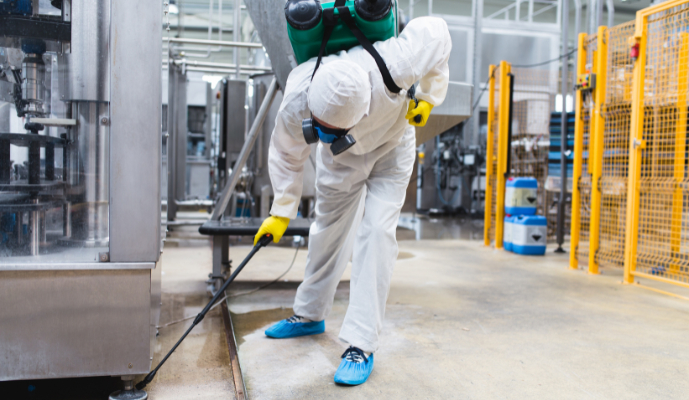
An effective workplace pest control program should include four core elements: inspection, prevention, documentation, and communication.
Inspections should be scheduled regularly and should cover both interior and exterior areas. High-risk zones include loading docks, dumpsters, kitchens, breakrooms, restrooms, drains, utility rooms, storage areas, mechanical rooms, rooflines, landscaping, exterior doors, employee entrances, product storage areas, and incoming goods.
Inspections should look for pest activity, entry points, harborage, moisture, sanitation issues, damaged materials, and conditions that could attract pests.
Sanitation and facility maintenance should be part of the pest control plan, not treated as separate issues. This includes cleaning food debris, managing spills, rotating inventory, keeping storage off the floor when appropriate, sealing trash, cleaning drains, reducing clutter, maintaining dumpsters, repairing door gaps, fixing leaks, and managing exterior vegetation.
Documentation should include service reports, pesticide application records when applicable, device maps, monitoring results, pest-sighting logs, corrective action recommendations, completed repairs, trend reports, and follow-up notes.
Good documentation helps a business prove that pest issues are being tracked and resolved rather than ignored.
Employee reporting is also essential. Employees often notice early signs before management or a pest professional does.
A clear reporting process should tell employees what to report, who to report it to, and what details to include, such as the date, time, location, pest type, number of pests seen, and any photos.
Staff should also understand their role in prevention, including food storage, waste handling, spill cleanup, door control, and keeping work areas uncluttered.
The program also needs accountability. If the pest provider recommends sealing a gap, cleaning a drain, repairing a door, or relocating waste, someone inside the business must own that corrective action. Without follow-through, the same pest pressure will return.
The best programs also include periodic reviews. Pest control data should be used to identify recurring problem areas, seasonal trends, sanitation gaps, structural needs, and training opportunities. A workplace pest program should improve over time, not repeat the same findings month after month.
Choosing A Pest Control Compliance Partner
Businesses should choose a pest control partner that understands workplace safety, documentation, and compliance—not just extermination.
The right partner should be able to explain how they prevent pest problems, inspect the facility, monitor trends, communicate findings, and support the business during audits or inspections.
A strong commercial pest control provider should offer a customized plan based on the building type, industry, operating hours, pest history, risk areas, sanitation practices, and regulatory environment.
They should begin with a site assessment, not a generic treatment schedule, and should focus on prevention, exclusion, monitoring, and targeted control rather than relying only on routine pesticide applications.
Businesses should ask whether the provider can supply clear service reports, device maps, pest trend data, corrective action recommendations, pesticide records, safety information, and documentation suitable for inspections or audits.
For regulated environments, the provider should be familiar with the expectations of health inspectors, food safety auditors, property managers, OSHA-related sanitation concerns, pest control regulations and compliance, and any industry-specific requirements that apply.
The right partner should also communicate clearly with management and employees. They should explain what they found, why it matters, what needs to be fixed, which issues are urgent, and how the business can prevent recurrence.
A provider that repeatedly treats the same problem without identifying the root cause is not supporting long-term pest control compliance.
The best partner is also realistic. They do not promise that no pest will ever appear. Instead, they help the business build a system that detects issues early, responds quickly, documents actions, and continuously improves.
Ultimately, the best pest control partner helps a business protect people, property, products, and reputation. They act as a risk-management resource, not just a vendor.
In a workplace setting, that difference matters because successful pest control is measured not only by fewer pests, but by safer conditions, stronger documentation, smoother inspections, and greater confidence among employees and customers.