
After spending a considerable amount of time strategically positioning your business, defining your audience and brand strategy, it comes as a surprise to hear that the government has targeted your business location. Targeted for legit reasons backed by the law, but means an unpleasant situation for you, as a business owner.
There are moments in business that leave you feeling helpless. And this is such a great example that will be explored in this article.
What does it mean to be targeted? Is it a personal attack?
Understanding what Condemnation Really Means

Condemnation is not a personal attack on your person or business.
It is a legal acquisition process carried out by local government bodies to satisfy a public need, under the power of eminent domain. It works like this: the government seizes private property due to safety or health concern affecting the general public.
This is why it isn’t personal.
It is more common than it seems. You probably know one commercial property targeted for condemnation or more, if you look around. This doesn’t only affect homeowners. If your enterprise is located on leased or rented property, there is a higher chance it will take a hit than not.
What Happens When You Don’t Own the Building?
If your business is in a leased commercial space, your landlord is the one with the right to accept or challenge a condemnation action or to negotiate the compensation they receive.
Your rights as a tenant begin after public acquisition.
These issues will probably be your concerns:
- What happens to my lease?
It is completely normal to ask this question. If the owner of your space decides to accept the property without hiring a lawyer, it affects your business.
- Can I stay?
If the landlord accepts the condemnation, the property now belongs to the government body. You would need to move your enterprise to a different location.
- Will my rent change? Can I recover what I lose?
The answers depend heavily on your lease agreement.
Read here to find out how the government can seize private property.
Where Your Lease Agreement Comes In
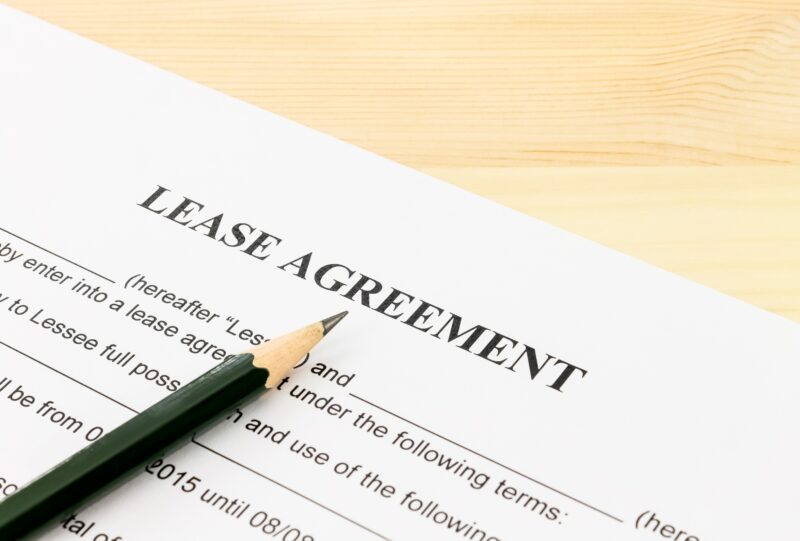
Your lease documentation is not only important at the point of leasing. It retains its significance until your enterprise no longer operates on that property.
So, this is where the fine details in your lease agreement become critical:
They determine whether you can stay after receiving a condemnation, if your rent changes, or if you can walk away with compensation. The documentation saves you from confusion and financial loss you may experience.
Many commercial leases include a condemnation clause. This part of your lease agreement spells out what happens to you or your business if all or part of the property is taken for a public project. These clauses directly affect your company’s operations and finances.
Common provisions in condemnation clauses:
- Complete Condemnation
The lease ends automatically if the entire property is taken. Especially when the condemning party — the government — takes over the property.
- Partial Condemnation
If only part of the property is taken for condemnation and it affects the leased space (your business area), you or the landlord can decide to end the lease without paying any fine or facing any legal consequences. This decision is backed by the lease clause.
- Rent Adjustment
If the lease continues after a partial condemnation, you can negotiate with the landlord for a decreased rent.
What You Should Do Immediately After Receiving a Condemnation

In case you own the property, your business operates on, it is advisable to act fast. Here is an ordered list to help:
- Do not sign anything from the condemning party
Once the notice is received, it is important not to engage by immediately doing what they want. In this case, you are representing your business. What move protects your business and its operation? That is where your mind should be.
- Get a legal evaluation before the first offer arrives
You need to team up with an experienced attorney to review your situation before you engage with the condemning party.
- Document your property’s operation, access points and infrastructure
Pen down every detail of how your property works and how it serves your business positively, including the external and internal stakeholders.
- Identify vulnerabilities that could reduce property value
Pinpoint areas where a condemnation could hurt access or market value.
- Plan for negotiation or litigation, depending on the severity of the impact
After documenting, identifying vulnerabilities, and assessing your market worth, prepare to negotiate or take legal action with the help of an experienced attorney.
Maximizing Your Compensation and Looking Ahead

Beyond the immediate legal steps, it is crucial to understand the financial nuances of “Just Compensation.” Many business owners mistakenly believe they are only entitled to the current market value of the real estate. However, a robust claim often goes much deeper.
Depending on your jurisdiction, you may be eligible for relocation expenses, the cost of moving or replacing heavy machinery, and compensation for “trade fixtures”—items attached to the building that are vital to your trade but cannot be easily removed.
Furthermore, there is often a significant gap between the government’s initial offer and the true cost of disrupting your operations. Their appraisers work for them; they are tasked with minimizing public expenditure.
They may not account for the marketing costs required to notify your client base of a move or the temporary loss of revenue during the transition. This is why relying on an independent appraisal is non-negotiable.
Finally, use the duration of the process to your advantage. Condemnation is bureaucratic and slow. This is not a reason to delay action, but a window to strategize. With the right legal counsel, you can turn this forced relocation into an opportunity to upgrade your facility or move to a more profitable demographic, fully funded by the compensation you fight for and win. Your business survived its startup phase; with the right strategy, it will survive this too.
Final Words
While the condemning party may claim that condemnation isn’t harmful or that the public will benefit from your property, the truth remains that it presents unexpected challenges.
The key is understanding your rights as a property or business owner. It also helps to know your market worth, what a possible condemnation would cost your business and the possible vulnerabilities your business and property are exposed to.
More importantly, you don’t have to navigate the process alone when it happens. Work with an experienced attorney to help you negotiate and take legal action.