
For many homeowners, the conservatory represents the perfect architectural bridge between indoor comfort and outdoor living. It is envisioned as a tranquil sanctuary to enjoy the garden view, relax with a book, or host friends for a sunny brunch.
Yet, this dream often collides with a frustrating reality: extreme thermal instability.
A traditional conservatory, particularly one constructed with an older polycarbonate or standard glass roof, often suffers from the “Goldilocks effect”—it is never quite right.
It can feel like a suffocating sauna in the height of summer and an inhospitable ice box in the depths of winter.
This instability limits the room’s utility to just a few weeks in spring and autumn, effectively transforming what should be a versatile living area into an expensive storage space for garden furniture.
The good news is that you don’t have to settle for this seasonal compromise.
Understanding why these temperature fluctuations occur is the first step toward reclaiming your conservatory and making it a genuinely year-round room.
The Anatomy of an Uncomfortable Conservatory
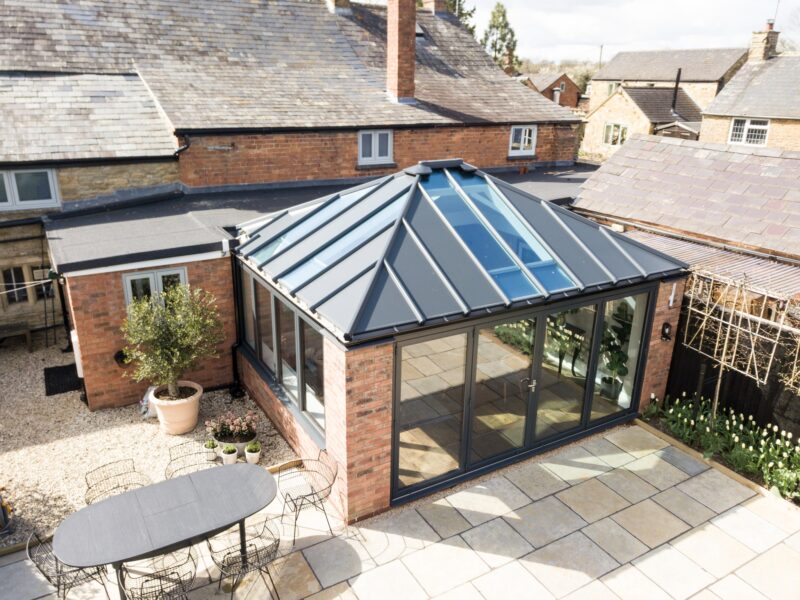
The issue almost always lies overhead. Conventional conservatory roofs are notoriously poor thermal insulators.
The primary function of any roof is to shield the interior from the elements, but a modern roof must also effectively manage heat flow.
Polycarbonate, while lightweight and cost-effective during the initial build, allows solar heat gain to become a major issue.
In summer, the sun’s short-wave radiation passes easily through the material, heating the air inside rapidly and creating the stuffy, unbearable conditions homeowners dread.
Conversely, when the temperature drops, this same material offers minimal resistance to heat loss.
Physics dictates that heat moves to cold; therefore, any warm air generated by your central heating instantly escapes through the thin ceiling.
It becomes a constant, losing battle to keep the space warm in winter, leading to drafts and cold spots that seep into the adjoining rooms.
This poor thermal efficiency not only makes the room unusable but also significantly drives up energy bills as your boiler works overtime trying to compensate for the escaping warmth.
The Hidden Problems: Condensation and UV Damage
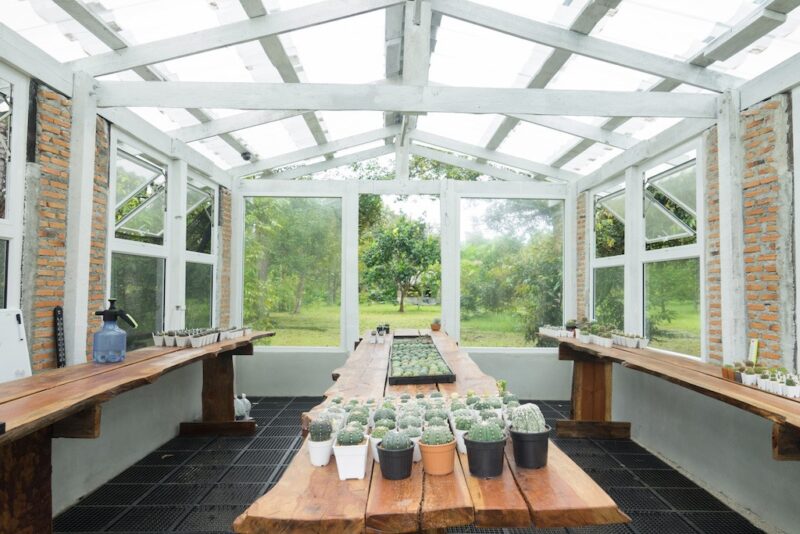
Beyond the temperature swings, uninsulated roofs invite other issues that degrade the living experience.
Condensation is a frequent offender in older conservatories. When warm, moist air from the house hits the cold surface of a polycarbonate or glass roof, water droplets form.
Over time, this constant dampness can lead to mould growth, musty odours, and potential damage to soft furnishings.
Furthermore, the glare from a transparent roof can be blinding, and the unfiltered UV rays are notorious for bleaching expensive furniture, flooring, and curtains.
An effective thermal solution must, therefore, address not just the heat, but the moisture and light quality as well.
Why Conservatory Roof Insulation is Essential for Year-Round Use
The core challenge for any homeowner is finding a solution that addresses both the summer overheating and the winter chill without undertaking a complete, costly, and disruptive roof replacement (such as installing a heavy tiled roof).
This is where dedicated conservatory roof insulation comes in.
Effective insulation works by creating a multi-layered thermal barrier that drastically reduces heat transfer (u-value), solving both seasonal problems simultaneously.
By lining the interior of the existing roof with a bespoke insulation system, you achieve a number of crucial benefits.
First, the insulation acts as a shield against the sun’s intense heat, preventing that debilitating summer greenhouse effect.
Second, and perhaps most importantly in the British climate, it traps the valuable warmth during colder months, keeping the heat inside where it belongs.
This process is about more than just comfort; it is about making your home more energy efficient.
By stabilising the internal temperature, you minimise reliance on auxiliary electric heaters or fans, which contributes to a smaller carbon footprint and healthier finances.
Choosing the Right Approach to Thermal Efficiency
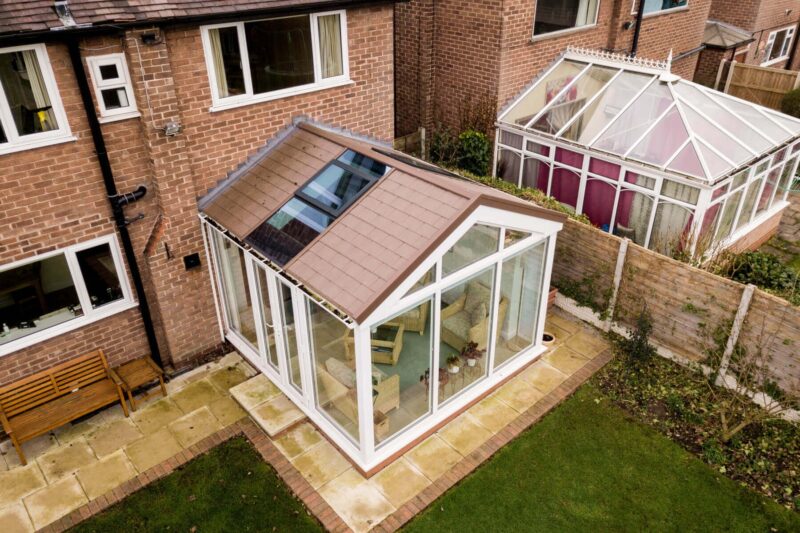
When considering how to address this problem, it is vital to research methods that offer proven, long-term performance.
While temporary measures like blinds can offer some shade, they are dust traps that do very little to stop the fundamental physics of heat gain and loss through the roof structure.
A popular and highly effective option involves fitting a high-performance conservatory insulation material underneath the existing roof, finished with an internal cladding, often plasterboard.
This approach effectively converts the lightweight, thermally inefficient roof into a solid, insulated structure without the need for complex planning permission or heavy construction work.
For detailed guidance on methods, materials, and the benefits of professionally insulating a polycarbonate conservatory roof, it’s always helpful to consult with experts who specialise in this specific area, such as the team at Ambivo.
Their focus is on creating tailored, permanent solutions to restore thermal comfort.
The Key Benefits of a Warmer, Quieter, and More Stylish Space
Beyond the immediate relief from temperature extremes, a professionally insulated roof offers significant quality-of-life improvements.
The insulated layers provide excellent acoustic dampening.
This means the deafening drumming sound of heavy rain—a common annoyance that creates a “tin can” effect in older conservatories—is greatly reduced, creating a peaceful environment where you can actually hold a conversation or watch TV during a downpour.
Visually, the transformation is just as striking as the thermal one. A plastered ceiling gives the room a permanent, integrated feel, transforming it from a bolt-on ‘glass box’ into a true extension of the main house.
It also opens up design possibilities, such as the installation of recessed spotlights or pendant fixtures, which are impossible with a standard polycarbonate roof.
Addressing the problem of heat loss is the single most effective investment a homeowner can make to ensure their conservatory is a valuable asset, not a seasonal liability.
This ensures that the investment in your home is fully realised, finally providing a comfortable, attractive, and energy-efficient room for every day of the year.