
Italy is easy to visit, but it is not always easy to understand. You can see the landmarks, eat well, and still miss how people actually live. The difference usually comes down to how you move through your day.
If you want a deeper experience, you need to slow down, pay attention, and make small choices that bring you closer to daily life.
That means stepping outside obvious routines and being open to how things are done locally. Italy rewards that approach. It does not rush you, and it does not adapt to you either.
Start with Food, but Do It the Right Way
Food is often the entry point, but it only works if you treat it as part of daily life rather than a checklist. In Italy, meals are social, regional, and tied to routine. Eating quickly or ordering familiar dishes removes most of that context.
A simple way to shift your approach is to spend time learning how meals actually work in a specific place. That could mean joining a cooking class in Verona where you cook with local ingredients and understand why certain dishes belong to that region. It gives you context you will not get from a restaurant menu.
Italian cuisine is deeply regional, and what you eat changes from one area to the next. That is why the goal is not to find the “best Italian food,” but to understand what is local where you are.
Fact: Many traditional Italian dishes are unknown even a few towns away because recipes are highly localized.
Once you see food that way, even a simple meal becomes more meaningful.

Spend Time in Ordinary Places
You do not need a special plan to understand Italy better. You need to spend time in places where daily life happens without trying to impress visitors.
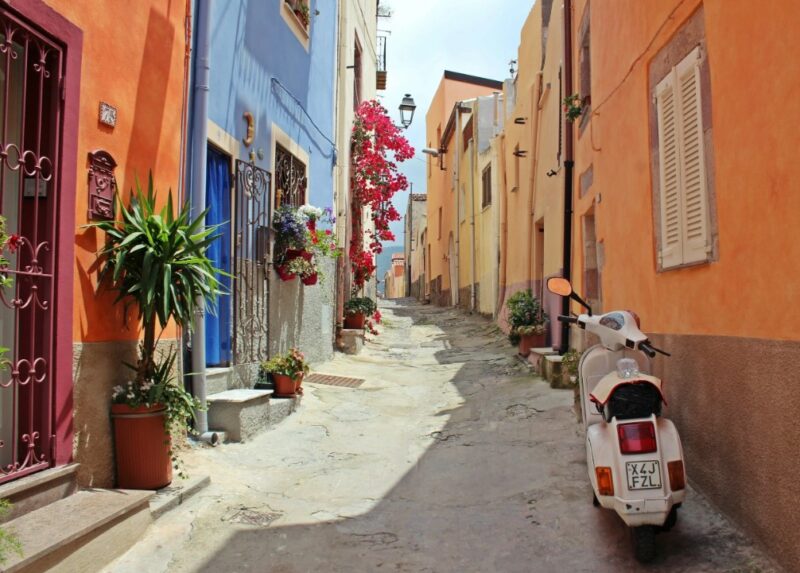
That usually means stepping away from main squares and walking a few streets further. The difference is noticeable. Restaurants become quieter, menus change, and people are not rushing you in and out.
Here are a few places that consistently give a more local view:
- Neighborhood cafes where people stand at the bar for coffee instead of sitting down
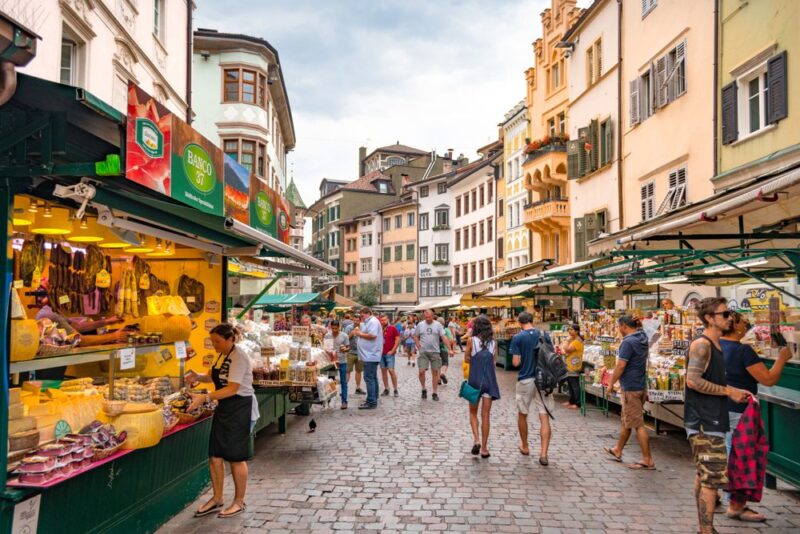
- Small food markets where vendors expect conversation, not just a transaction
- Public parks or piazzas in the early evening when people gather casually
Walking away from central tourist areas is one of the simplest ways to find more authentic experiences.
Give yourself time in these spaces. Nothing dramatic will happen, but that is the point.
Adjust to the Local Rhythm of the Day
Italy has a daily rhythm that can feel unfamiliar at first. Shops may close in the afternoon. Dinner starts later than expected. Service is slower because meals are meant to be shared, not rushed.
Instead of trying to work around it, it is easier to adjust to it.
A typical day might look like this:
|
Time of Day |
What Happens |
| Morning | Quick coffee at the bar, standing |
| Midday | Longer lunch, often the main meal |
| Afternoon | Quiet period, shops may close |
| Evening | Social time, late dinner |
If you follow this rhythm even loosely, your experience changes. You stop trying to fit Italy into your schedule and start fitting into its pace.
Learn How Italians Eat and Interact
Food habits are one of the clearest windows into daily life, but small details matter. Ordering the right thing at the right time shows respect for how things are done.
A few examples help:
- Cappuccino is usually a morning drink, not something ordered after lunch
- Meals are not rushed, and asking for the bill immediately can feel abrupt
- Conversation is part of dining, not something separate from it
Eating in Italy is not only about the food. It is also about spending time together.
If you approach meals with that mindset, interactions become easier and more natural.
Choose Experiences That Involve Participation
Watching is not the same as participating. The closer you get to actually doing something, the more you understand how things work.
That could mean cooking, shopping for ingredients, or even just asking questions about what you are eating. Food tourism in Italy often includes activities like visiting farms, taking cooking classes, or joining tastings.
In the second half of your trip, it is worth trying something more hands-on, such as a cooking class in Rome. Rome offers a different perspective compared to smaller cities, and learning to cook there helps you understand how tradition adapts in a busy urban setting.
These experiences stay with you longer because you are actively involved, not just observing.

Visit Smaller Towns Alongside Major Cities
Large cities are important, but they are only part of the picture. Some of the most consistent insights into daily life come from smaller towns.
You do not need to avoid major destinations. You just need to balance them.
For example:
- Spend a few days in Rome or Florence for history and structure
- Add a smaller town where daily routines are easier to observe
- Stay somewhere residential rather than central
Regions like Umbria, Abruzzo, or inland Sicily offer a slower pace and fewer crowds, while still maintaining strong cultural identity.
These places are not designed for visitors. That is what makes them useful.
Stay Somewhere That Encourages Interaction
Where you stay affects how much you connect with the place. Hotels can be convenient, but they often separate you from daily life.
Alternative options tend to create more interaction:
- Small guesthouses where owners give direct advice
- Apartments in residential areas
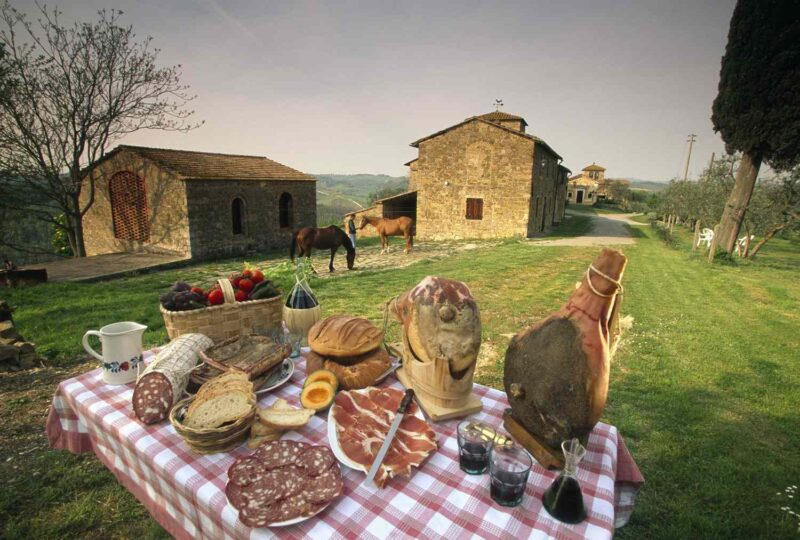
- Agriturismos where meals and routines are shared
Staying in these environments makes it easier to ask questions, get recommendations, and see how people live day to day.
In many cases, the best information comes from casual conversations rather than formal guides.
Experiencing Italy Properly
There is no single way to experience Italy correctly. What matters is how you approach your time there.
If you slow down, pay attention to daily routines, and stay open to small interactions, the experience becomes more grounded. You start noticing patterns instead of just highlights.
Italy does not hide its culture. It is visible in how people eat, move, and spend time together. The challenge is not finding it. The challenge is giving yourself enough space to notice it.