
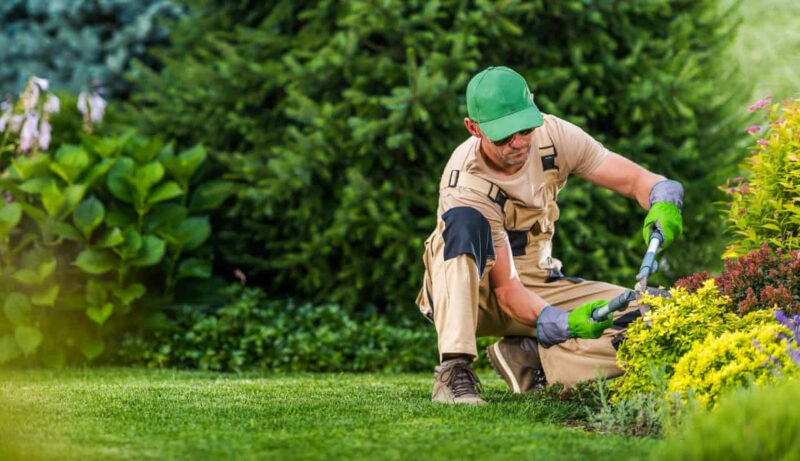
A well-kept garden doesn’t come down to luck. It’s built on regular care and spotting problems before they have a chance to spread.
In the UK, where the weather can swing from dry spells to days of steady drizzle, plants are under constant pressure. Then again, gardens rarely collapse overnight. Instead, they send subtle signals.
Your outdoor space can be easier to manage and far more enjoyable to spend time in—especially when those rare sunny afternoons finally arrive.
Weeds Start Taking Over

Weeds are often the first clear sign that your garden needs attention. They spread quickly and compete with your plants for water, nutrients, and sunlight.
What starts as a few unwanted shoots can soon take over beds, borders, and even pathways.
Beyond how they look, weeds can weaken the entire garden. They drain valuable nutrients from the soil and create crowded conditions where your plants struggle to grow properly.
In damp UK conditions, especially after periods of rain, weeds can establish themselves even faster.
Dealing with them early is key. Removing weeds from the root helps prevent regrowth, while adding mulch can suppress new ones and improve soil moisture.
Regular upkeep makes things manageable and stops the problem from getting out of hand.
Your Plants Look Weak or Unhealthy
Plants tend to show clear signs when something isn’t right. Fading colour, drooping leaves, or visible damage are all indicators that they’re under stress.
This could be due to inconsistent watering, pests, disease, or poor soil conditions.
In many UK gardens, particularly in older properties where soil quality varies, these issues can appear quite suddenly.
A stretch of heavy rain followed by cooler temperatures can also leave plants struggling to recover.
Taking the time to inspect your plants closely can reveal the cause. Removing damaged growth, improving soil conditions, and adjusting your watering routine can make a noticeable difference.
Addressing these issues early prevents further decline and helps restore the overall health of your garden.
Pests Become Hard to Ignore

A certain level of insect activity is normal in any garden. However, when pests become more visible or start causing noticeable damage, it’s a sign that the balance has shifted.
Leaves with holes, sticky residue, or distorted growth often point to pest problems. Once they settle in, they can spread quickly.
This is particularly true during warmer months, or in sheltered garden spaces you often see within terraces and semi-detached homes.
Encouraging natural pest control can help restore that balance. Beneficial insects, such as ladybirds, can reduce harmful pest populations without disrupting the ecosystem. If the issue continues, you might need more targeted solutions to prevent widespread damage.
The Soil Isn’t Supporting Growth
Soil plays a much bigger role than many people realise. When it becomes compacted or lacks nutrients, plants struggle to grow properly. You might notice slow growth, yellowing leaves, or fewer flowers than expected.
In the UK, heavy clay soils are quite common, particularly in areas that experience frequent rainfall. These soils can become dense and poorly drained, making it difficult for roots to access air and nutrients.
Improving soil health has numerous benefits. Start with adding compost or well-rotted organic matter, and you’ll notice that it really helps loosen the structure and replenish nutrients.
Over time, this creates a stronger foundation for healthy plant growth and makes your garden far more resilient.
Plant Growth Gets Out of Control
Unchecked growth can quickly make a garden feel overcrowded and difficult to manage. Plants that become too dense block sunlight and restrict airflow, creating damp conditions where diseases can develop.
This is especially noticeable during the growing season, when everything seems to surge at once. Without regular pruning, even well-planned gardens can lose their shape and structure.
Keeping plants trimmed and well-spaced allows light and air to move freely throughout the garden. It also encourages stronger, more balanced growth. Regular pruning not only improves appearance but also reduces the risk of long-term problems.
Water Isn’t Draining Properly
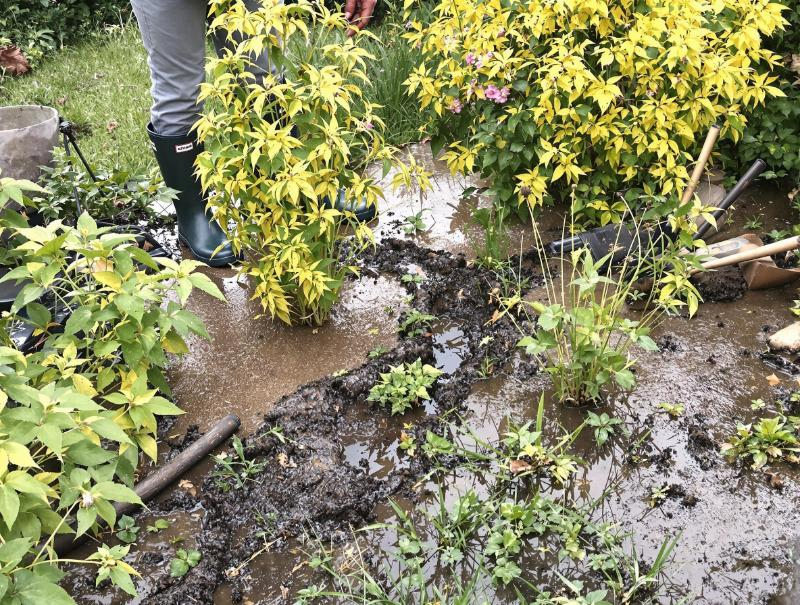
Drainage issues can cause serious damage if they’re not addressed early. Waterlogged soil prevents roots from obtaining the oxygen they need, leading to rot and poor plant health.
After periods of steady British rain, it’s not uncommon to see water pooling in certain areas. Low spots, compacted soil, or blocked drainage paths can all contribute to the problem.
In such cases, you just need to clear the debris and observe how water moves through your garden. Then, you can easily identify the cause.
In more persistent situations, you’d have to work on soil structure or install new drainage systems.
As a rule, managing water flow properly protects both your plants and the overall condition of your garden.
Your Garden Looks Tired All Year Round
A garden should change with the seasons, but it shouldn’t feel dull or lifeless throughout the year. If your space lacks colour in spring and summer, or structure in autumn and winter, it’s a sign that something isn’t working.
This is often seen in gardens where planting hasn’t been updated in years or where maintenance has been inconsistent. Over time, plants lose their impact, borders thin out, and the space begins to feel neglected.
Refreshing your planting choices can make a significant difference. Bring back energy and interest by introducing seasonal variety, improving soil health, and establishing a consistent care routine.
When It’s Time to Call in the Professionals
Sometimes, even with the best intentions, garden care can feel overwhelming. Overgrown plants, persistent pests, or drainage problems may require more than a weekend of DIY effort.
Professional gardening services are equipped to handle every aspect of garden upkeep efficiently. From identifying early garden maintenance signs to implementing long-term solutions, experts can help you tackle problems before they escalate.
They bring the right tools, knowledge, and seasonal expertise to ensure your plants, soil, and lawn stay healthy year-round. Hiring professionals doesn’t just save time—it also prevents minor issues from turning into costly repairs.
Conclusion

Recognising these signs early is one of the most valuable skills any gardener can develop. Gardens are remarkably forgiving when we listen and respond in time. A well-timed intervention often brings visible recovery within weeks.
You’ve already done something important by paying attention. Many gardeners only notice when the issues have become overwhelming, so give yourself credit for spotting them now.
Taking action will not only rescue the current season but also make future ones easier and more rewarding.