

In a world where fast delivery is no longer a luxury but an expectation, managing courier operations efficiently has become a serious challenge. Businesses are juggling high order volumes, tight delivery windows, and customer expectations for real-time updates. This is where courier management software steps in as a practical solution.
At its core, courier management software centralizes and automates delivery operations, from order intake to final proof of delivery. But beyond automation, it offers visibility, control, and scalability. If you are running or planning a logistics or delivery business, understanding how this software works can significantly improve your operations.
What is Courier Management Software and Why It Matters
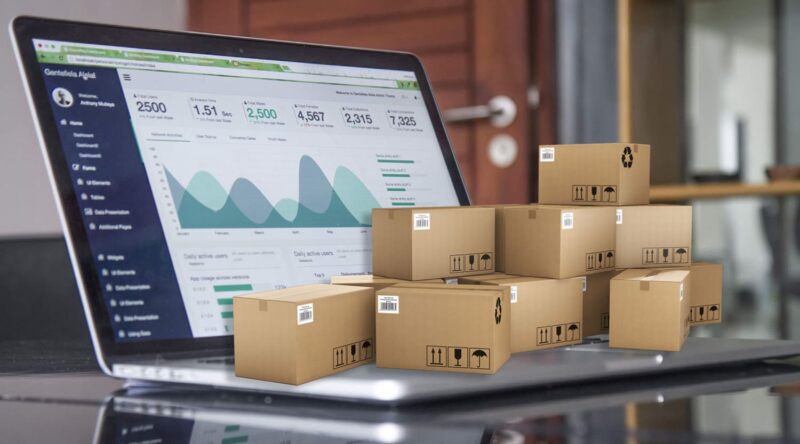
Courier management software is a digital platform designed to streamline delivery workflows and reduce manual coordination. Instead of juggling spreadsheets, calls, and paperwork, everything happens in one system. Dispatchers assign jobs instantly, drivers receive optimized routes, and customers stay informed throughout the process.
This shift is not just about convenience. It directly impacts efficiency, cost control, and customer satisfaction. Businesses using such systems benefit from automated dispatching, real-time tracking, and centralized data, which all contribute to smoother operations.
If you are evaluating options, it is worth exploring solutions like Transvirtual courier software Australia, which provides scalable tools tailored to modern logistics needs. The key is selecting a platform that aligns with your delivery volume, integrations, and long-term growth plans.
Key Features That Power Modern Courier Software
Understanding features is essential because they define how effectively the system will support your operations. A well-designed platform combines automation, tracking, and analytics into one interface.
Core functional capabilities:
- Automated dispatching based on driver availability and location
- Real-time GPS tracking for shipments and drivers
- Route optimization to reduce travel time and fuel costs
- Proof of delivery through digital signatures or photos
- Customer notifications via SMS or email
These features work together to eliminate inefficiencies and manual errors. For example, route optimization alone can significantly reduce delivery times while lowering fuel consumption .
Table: Feature overview
| Feature | Purpose | Business Impact |
| Real-time tracking | Monitor deliveries live | Improves transparency |
| Automated dispatch | Assign deliveries instantly | Saves time and reduces errors |
| Route optimization | Plan efficient delivery paths | Cuts fuel and delivery time |
| Proof of delivery | Confirm successful delivery | Reduces disputes |
| Analytics and reporting | Track performance metrics | Enables better decisions |
A strong feature set ensures the software does not just manage deliveries but actively improves them.
Benefits That Go Beyond Simple Automation

While features define functionality, benefits explain why businesses invest in courier management software. The advantages often extend far beyond operational convenience.
Operational and financial gains:
Businesses adopting these systems often experience:
- Lower operational costs through route efficiency
- Faster delivery times due to automation
- Reduced manual workload and fewer errors
- Better resource allocation across teams
Automation minimizes repetitive tasks like scheduling and invoicing, allowing teams to focus on higher-value work. It also ensures consistent performance across operations.
Customer Experience Improvements
Real-time tracking and proactive notifications give customers visibility into their deliveries. This transparency builds trust and reduces support inquiries. In fact, improved delivery experience directly impacts customer retention and loyalty.
Customer expectations today are driven by speed, visibility, and reliability. Courier software addresses all three simultaneously.
Real-World Use Cases Across Industries
Courier management software is not limited to traditional delivery companies. Its flexibility allows it to serve multiple industries with different logistics needs.
E-commerce and Retail

Online stores rely heavily on efficient last-mile delivery. Courier software helps manage high order volumes, automate dispatch, and provide customers with tracking updates. This ensures faster fulfillment and fewer delivery failures.
Food and Grocery Delivery
Time-sensitive deliveries require precise coordination. Features like dynamic scheduling and route optimization help ensure fresh items arrive on time while maintaining operational efficiency.
Healthcare and Pharmaceuticals
In healthcare, timely delivery can be critical. Courier systems enable secure tracking, compliance management, and priority dispatching for urgent deliveries.
Logistics and Freight
For larger-scale operations, software provides end-to-end visibility, from warehouse to final destination. It also supports integration with other systems like ERP and CRM platforms .
How Courier Software Improves Daily Operations
Let’s take a closer look at how this software transforms everyday workflows. Instead of reacting to problems, businesses gain proactive control.
Table: An overview of Before vs After Implementation
| Process Step | Without Software | With Software |
| Dispatching | Manual calls and coordination | Automated and instant |
| Tracking | Limited visibility | Real-time GPS tracking |
| Communication | Reactive customer updates | Automated notifications |
| Reporting | Manual data collection | Instant analytics dashboards |
The difference is clear. Operations become faster, more accurate, and easier to manage.
Did You Know?
Many courier companies achieve over 98% on-time delivery rates after implementing advanced delivery management systems .
This level of consistency is difficult to achieve without automation.
What to Consider Before Choosing a Solution

Not all courier management platforms are created equal. Selecting the right one requires careful evaluation of your business needs.
Key factors to evaluate:
- Scalability to handle growing delivery volumes
- Integration with existing tools like e-commerce platforms
- Ease of use for both dispatchers and drivers
- Data security and cloud accessibility
- Customization options for workflows
It is also important to think long term. A system that works for your current needs should also support future expansion.
Start by mapping your delivery workflow. Identify bottlenecks, delays, and manual processes. Then look for software that directly solves those issues rather than adding unnecessary complexity.
Final Thoughts
Courier management software is no longer optional for businesses that want to stay competitive in delivery and logistics. It simplifies operations, reduces costs, and enhances customer satisfaction in ways that manual processes simply cannot match.
More importantly, it provides visibility and control. You are not just managing deliveries, you are optimizing them. Whether you run a small courier service or a large logistics operation, investing in the right system can transform how your business performs.
If your current processes feel chaotic or inefficient, it may be time to consider a smarter, more connected approach.