
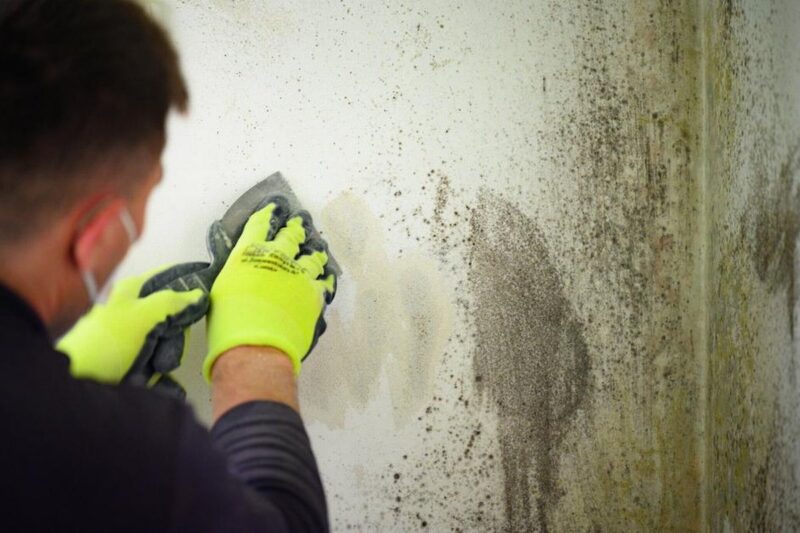
Water damage and mold growth are issues no homeowner wants to face, yet they are surprisingly common. Whether it’s due to a burst pipe, a faulty appliance, or natural disasters, water can cause significant damage to your home and lead to mold growth. Mold not only deteriorates property but also poses health risks to your family.
Therefore, it is imperative to prioritize professional Water Damage Restoration and Mold Remediation. This article explores why professional intervention is crucial for maintaining a healthy, safe, and stable home environment.
Table of Contents
- Why Water Damage Requires Immediate Attention
- Warning Signs of Hidden Water Damage and Mold
- Water Damage Restoration vs. Mold Remediation
- What Happens During Professional Restoration?
- How Mold Affects Your Home and Health
- When Should You Call a Professional?
- How to Prevent Future Water Damage
- Frequently Asked Questions
- Conclusion
Why Water Damage Requires Immediate Attention
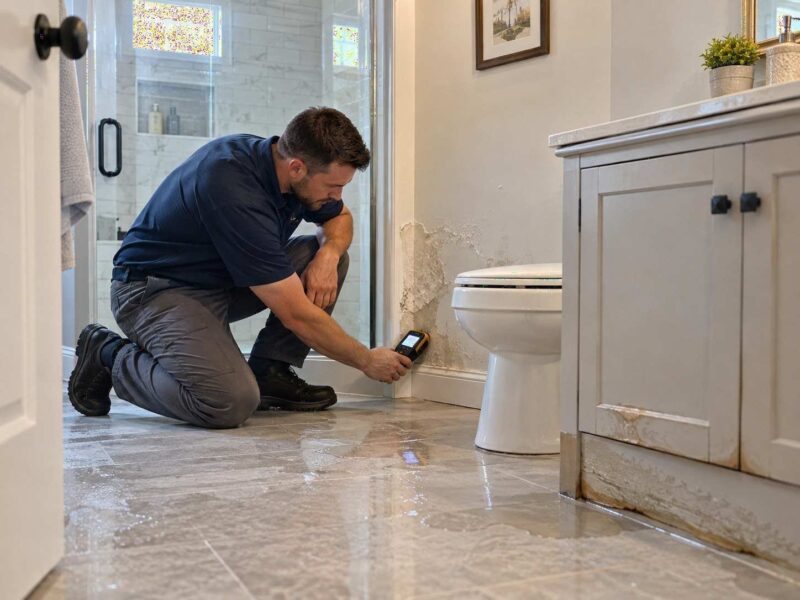
A small leak beneath the kitchen sink might seem harmless. However, moisture can spread behind cabinets, underneath flooring, and into drywall before homeowners notice anything unusual.
Water damage becomes particularly concerning when building materials remain damp for extended periods. Wood may swell, drywall can deteriorate, and insulation can lose effectiveness.
According to the Environmental Protection Agency (EPA), water-damaged materials should generally be dried within 24 to 48 hours to help prevent mold growth.
Professional water damage restoration addresses problems that ordinary household cleaning cannot always resolve.
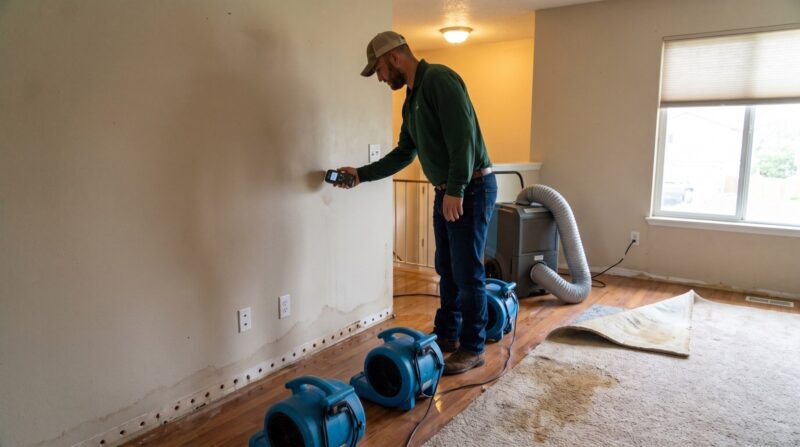
Restoration specialists use moisture meters, commercial dehumidifiers, and specialized drying equipment to locate and remove moisture, including water trapped inside walls and flooring.
Early intervention can make the difference between replacing a small section of drywall and renovating an entire room.
Warning Signs of Hidden Water Damage and Mold
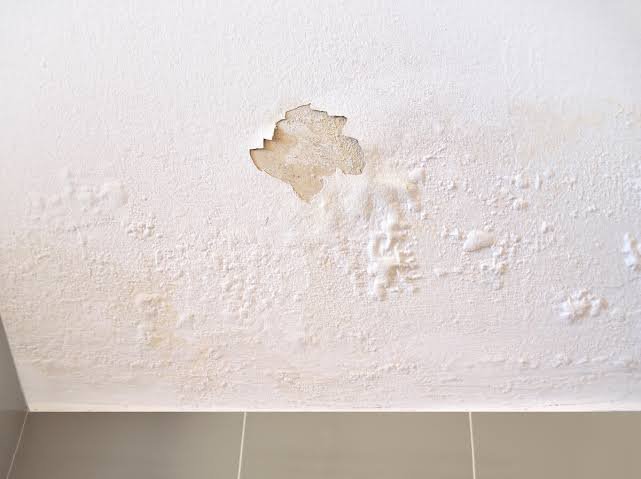
Not every moisture problem involves visible flooding. Some of the most expensive issues begin with slow leaks that continue unnoticed for weeks.
Common warning signs include:
- Musty odors: Persistent damp smells may indicate hidden moisture or mold growth.
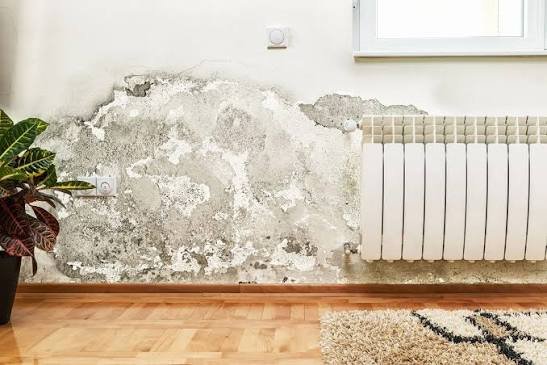
- Discolored walls: Yellow or brown stains can suggest water entering through plumbing or roofing.
- Peeling paint: Excess moisture can weaken the bond between paint and the underlying surface.
- Warped flooring: Hardwood and laminate materials may expand or buckle after absorbing water.
- Recurring mold spots: Mold that returns after cleaning usually indicates an unresolved moisture problem.
- Unexpected humidity: Condensation and consistently damp surfaces can signal ventilation or moisture issues.
These symptoms do not always indicate extensive structural damage, but they deserve investigation.
Water Damage Restoration vs. Mold Remediation
Although these services are closely related, they solve different problems.
| Aspect | Water Damage Restoration | Mold Remediation |
| Primary purpose | Remove water and dry affected materials | Remove mold contamination and prevent its return |
| Common causes | Plumbing leaks, flooding, appliance failures | Persistent moisture, leaks, poor ventilation |
| Typical equipment | Water extractors, air movers, dehumidifiers | Containment barriers, HEPA equipment, protective gear |
| Main activities | Water removal, drying, cleaning, repairs | Containment, mold removal, cleaning, moisture correction |
| Desired outcome | Properly dried and restored building materials | Reduced mold contamination and corrected moisture conditions |
What Happens During Professional Restoration?
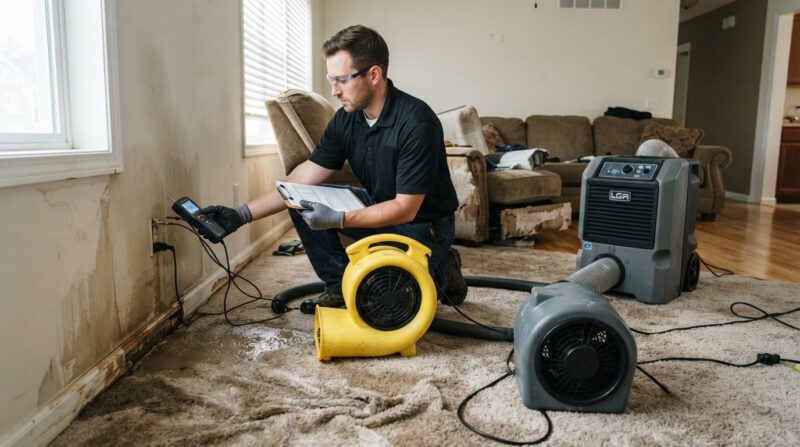
Professional restoration follows a structured approach rather than simply removing visible water.
Step 1: Inspection and moisture assessment
Technicians identify the water source, inspect affected materials, and determine how far moisture has spread. Moisture meters and thermal imaging may help locate concealed problem areas.
Step 2: Water extraction
Standing water is removed using extraction equipment. Damaged belongings may be moved to prevent additional exposure.
Step 3: Drying and dehumidification
Air movers and dehumidifiers remove remaining moisture. Technicians monitor drying progress rather than relying only on whether surfaces appear dry.
Step 4: Cleaning and mold remediation
If mold is present, affected areas may require containment, HEPA filtration, removal of contaminated porous materials, and appropriate cleaning procedures.
Step 5: Repairs and final inspection
Once drying and remediation are complete, damaged materials can be repaired or replaced. The underlying moisture source must also be corrected.
These procedures are consistent with the general approach outlined in the IICRC professional restoration standards.
How Mold Affects Your Home and Health
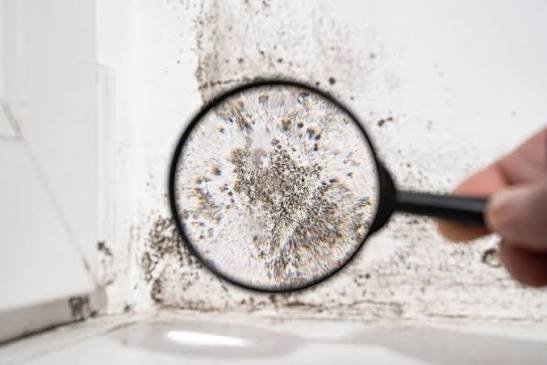
Mold thrives in damp environments, particularly in bathrooms, basements, crawl spaces, and areas affected by leaking pipes.
According to the CDC, exposure to damp and moldy environments can cause respiratory symptoms, coughing, wheezing, and allergic reactions in susceptible individuals.
People with asthma, mold allergies, or weakened immune systems may face greater health concerns.
The impact also extends to building materials. Mold can damage drywall, carpeting, ceiling tiles, and other porous surfaces.
Simply painting over mold does not solve the problem. Unless the moisture source is corrected and contaminated materials are properly treated, mold can return.
When Should You Call a Professional?
Some minor moisture problems can be handled with basic cleaning and proper ventilation. However, certain situations require professional attention.
Contact a restoration specialist when:
- Mold covers an area larger than approximately 10 square feet.
- Water damage involves sewage or potentially contaminated floodwater.
- Moisture has penetrated walls, insulation, or subflooring.
- Mold repeatedly returns despite cleaning.
- Water has reached electrical installations.
- Someone in the household has significant respiratory vulnerabilities.
The EPA’s mold remediation guidance explains the importance of identifying moisture problems, protecting occupants, and using appropriate cleanup procedures.
When choosing a contractor, ask about relevant certifications, experience, insurance, moisture monitoring, and written estimates.
How to Prevent Future Water Damage
Preventing moisture problems is generally less disruptive than dealing with restoration after extensive damage.
A few household maintenance habits make a meaningful difference.
- Inspect plumbing regularly. Check beneath sinks, behind appliances, and around water heaters for leaks.
- Maintain gutters and downspouts. Direct rainwater away from the foundation.
- Improve ventilation. Use bathroom exhaust fans and control excessive indoor humidity.
- Repair roof damage promptly. Missing shingles and damaged flashing can allow moisture into attic spaces.
- Consider water leak detectors. Sensors near washing machines and water heaters can provide early warnings.
- Monitor basement moisture. Address seepage, condensation, or standing water before materials deteriorate.
Small preventive measures can help protect flooring, furniture, insulation, and structural components.
Frequently Asked Questions
Conclusion
Water damage restoration and mold remediation are essential considerations for homeowners dealing with leaks, flooding, or persistent moisture.
Prompt action can limit structural deterioration, reduce mold exposure, and help avoid unnecessary repair expenses.
Recognizing warning signs, choosing qualified professionals, and maintaining a dry indoor environment are practical steps toward protecting your home and the people living in it.