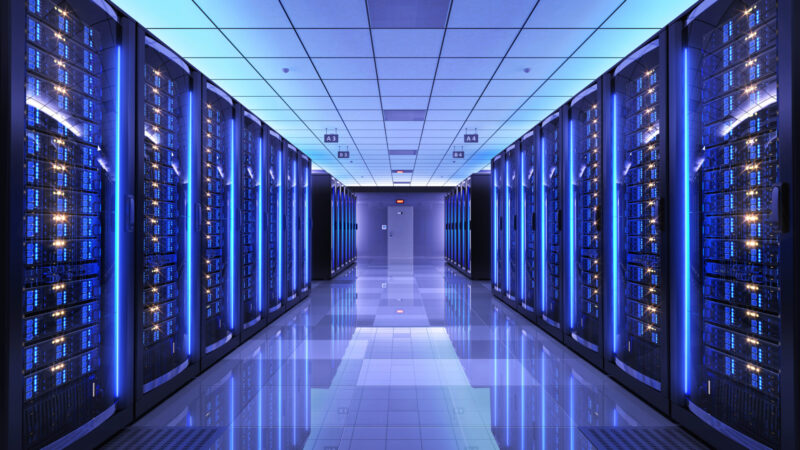
Data centers have quietly become the backbone of nearly every business operation. Whether a company is running its own server room, moving equipment into a colocation facility, or managing a hybrid mix of on-premises and cloud infrastructure, the quality of its data center strategy directly affects uptime, security, and long-term IT costs.
For businesses of every size, choosing the right data center solutions partner is one of the most consequential technology decisions they will make.
Why a One-Size-Fits-All Approach Falls Short
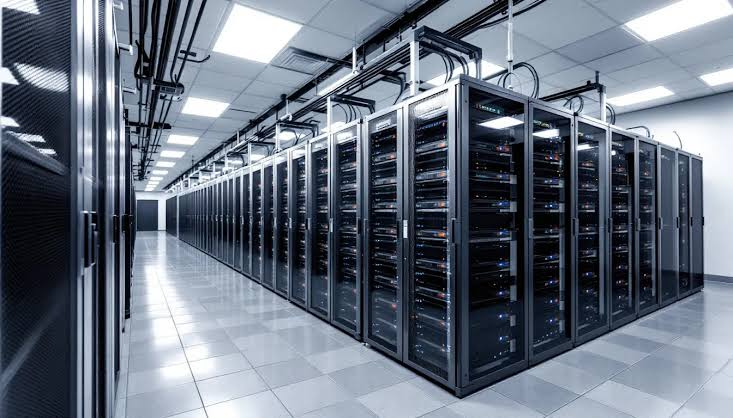
Many IT providers specialize in a single vendor or a narrow set of technologies, which forces customers to bend their requirements around what the provider happens to sell.
In practice, no two organizations have identical infrastructure needs. A healthcare practice, a logistics company, and a school district all rely on data centers, but their compliance requirements, workloads, and budgets look completely different.
The better approach is provider flexibility. Data center solutions should be able to integrate technologies from a single vendor or multiple vendors to build a solution that fits the client, not the other way around.
Providers with partnerships spanning major hardware and software manufacturers can design around what actually delivers maximum efficiency and reduced cost for each environment.
Core Data Center Capabilities
A capable data center solutions provider should cover the full lifecycle of infrastructure, from initial design through ongoing maintenance. These are the core capabilities to look for:
Data center design and implementation. Every organization has a different combination of needs, timeframes, and budgets. Custom-tailored design ensures the resulting environment uses state-of-the-art technologies without overbuilding or overspending.
Server and desktop virtualization. Virtualization allows IT teams to create multiple secure, fully formed virtual machines from a single physical system. This dramatically improves hardware utilization, simplifies management, and reduces the physical footprint a business needs to maintain.
Capacity planning and monitoring. Business applications change constantly, and network teams must keep pace on a budget. Analytics-driven capacity planning helps organizations make informed decisions about what infrastructure they need before shortages or overprovisioning become expensive problems.
Network security with next-generation technologies. In a data-driven economy, organizations must safeguard networks and assets proactively, from the endpoint inward. Dedicated endpoint protection and modern security tooling reinforce the network from the inside out.
Wireless network security and design. Wireless networks naturally introduce more risk than wired infrastructure. Proper deployment ensures the right precautions are in place so no unauthorized access reaches devices or the network.
Legacy migration without disruption. One of the most underrated skills in data center work is moving off aging equipment gracefully. Seamless migrations can be strategized so end users experience little to no impact, even during downtime windows between migration phases or capacity increases.
What to Look for in a Professional Data Center Facility
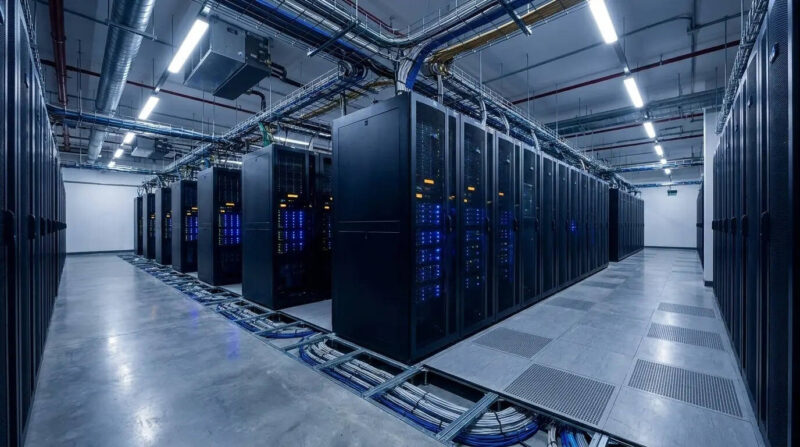
Whether a business hosts equipment on-site or places it in a professional facility, it helps to understand the standards that define enterprise-grade data center environments. These are the benchmarks worth measuring any infrastructure strategy against.
Uptime guarantees backed by real redundancy. Leading facilities offer uptime SLAs approaching or reaching 100 percent, but the guarantee is only as good as the engineering behind it. True redundancy means dual A and B power feeds that are redundant all the way back to the generators, not just to the UPS, along with backup generation, redundant power distribution, and fuel supply agreements that maintain continuity through extended utility outages.
Around-the-clock monitoring and remote hands. A 24×7 network operations center proactively watches critical infrastructure, identifying and resolving issues before they impact the business.
Remote hands services mean on-site technicians can physically reboot, swap, or inspect equipment at any hour, saving businesses a trip to the facility for routine tasks.
Layered physical security. Professional facilities control access with biometric systems, record all entry with security cameras, and offer lockable cabinets or fully enclosed private suites. An enclosed suite goes further than a cage: it provides dedicated, confined cooling and keeps hardware entirely invisible to neighboring customers.
Compliance certifications. Facilities audited against standards such as SOC 2 Type II, SOC 1, PCI DSS, and HIPAA dramatically simplify a customer’s own audit process. For regulated industries, this alone can justify moving out of a self-managed server room.
Carrier-neutral connectivity. The best facilities host multiple on-net carriers, enabling seamless cross-connects, redundant upstream paths, and flexible bandwidth options. Carrier diversity protects a business from any single provider’s outage and keeps pricing competitive.
Geographic and environmental considerations. Location matters more than many businesses realize. Facilities in low natural-disaster-risk regions, with favorable climates for efficient cooling and access to low-cost power, can pass meaningful savings to customers while reducing the odds of a weather-driven outage.
Understanding these standards helps businesses ask sharper questions, whether they are evaluating a facility, planning a hybrid deployment, or deciding how much redundancy their own server room realistically needs.
Supporting the Whole Ecosystem
Infrastructure does not exist in isolation. Email platforms, collaboration software, and business applications all depend on the data center underneath them.
A strong infrastructure partner supports the entire collaboration ecosystem with an expert approach to integration, ensuring teams operate on the same page instead of spending valuable time wrestling with disconnected systems.
Maintenance packages can also be tailored to the situation at hand, supporting existing environments as they are or easing the transition toward newer, more efficient technologies over time.
The Bottom Line
Technology is evolving faster than most internal IT teams can track, while legacy networks and applications remain vital to daily operations. The right data center partner bridges both worlds: adapting quickly to new technologies as they are released while keeping older systems stable and supported.
Look for a partner with certified professionals at every level, from network engineers to distribution specialists, capable of delivering prompt service for any need, no matter how big or small the task. For organizations ready to modernize their infrastructure, strengthen security, or plan their next migration, asking the right questions is the first step toward getting infrastructure that truly fits the business.